

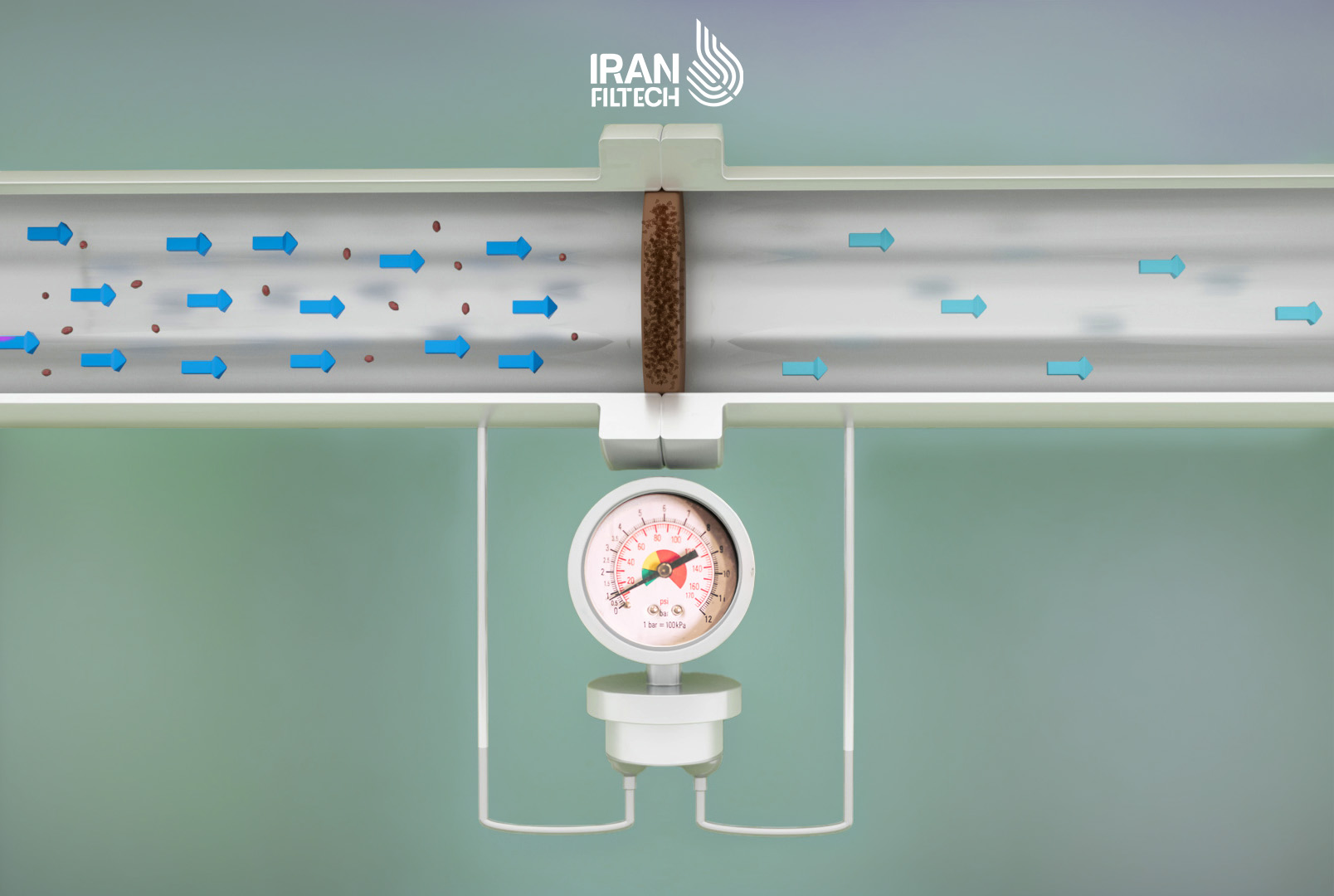
This article aims to shed light on the issue of pressure drops in filtration systems and offers effective solutions to manage and enhance the efficiency of the filtration cycle. Pressure drop is a common problem that hampers the fluid flow rate and reduces pressure during the filtration process, which can negatively impact the performance and lifespan of the filtration system.
First, we identify and investigate the causes and factors that affect pressure drop in a filtration system. Then, we present solutions to reduce it, such as optimizing filtration, improving filter design, and using new materials.
The following text describes various techniques for managing pressure drop and controlling flow in the filtration system. It highlights the use of sensors and smart systems, optimization and control of operational parameters, and implementation of appropriate changes in the filtration process. By implementing these methods, it is possible to reduce pressure drop and improve the performance of the filtration system.
Filtration is a vital process in several industries like oil and gas, petrochemicals, water and wastewater treatment, and pharmaceuticals. It helps to separate particles and purify the environment. However, one of the main challenges of filtration is pressure drop, which can impact the efficiency and performance of the whole system..
Pressure drop is the decrease in pressure and fluid flow that occurs along the filtration path. It can result from a reduction in fluid velocity or height and can be caused by various factors such as particle blockage and adhesion in the fluid flow path within the filter, accumulation of deposits on the filter surface, abrasion of filter materials, and so on. A pressure drop results in a decrease in filter efficiency, an increase in energy consumption for fluid movement and passing through the filter, an increase in maintenance and repair costs, and even the failure of a filtration system.
It is crucial for operators and process managers of filtration systems to manage and control pressure drops in industrial processes, as it holds significant importance. There have been extensive research and studies conducted to improve efficiency and reduce costs associated with pressure drops in the filtration industry.
By following the solutions outlined in this article, you can minimize the negative effects of pressure drop, enhance filtration efficiency, and reduce associated costs. If you manage or operate filtration systems, you can study and implement these solutions to better tackle the challenges related to pressure drop in the filtration industry. By optimizing and improving the efficiency of your filtration system, you can also decrease the maintenance and repair expenses of these systems.
How can we effectively decrease the pressure drop during filtration?
And also how to have a more efficient system with a longer lifespan?
provide information on how to improve the efficiency of a system and extend its lifespan?
To properly understand pressure drop and its contributing factors, we need to answer certain questions first.
In cases where filters are used, the pressure drop caused by the filter must be taken into account.
During filtration, the fluid containing suspended particles flows through filters. However, due to several factors such as particle blockage, adhesion, accumulation of deposits, and abrasion of filter materials, the fluid pressure in the system decreases. This decrease in pressure and fluid flow results in higher energy consumption and increased costs. This is because the same fluid flow rate requires the same pressure as before, and hence, any reduction in pressure will require additional energy to maintain the same flow rate.
Initial pressure drop
The initial pressure drop refers to the drop in pressure caused by clean fluid passing through a filter that is free from contamination.
Filter pressure drop is the reduction in fluid pressure that occurs when it passes through a filter. This decrease in pressure can be caused by various reasons like the size of the filter mesh (micron size or pore size), the flow rate of fluid, and the viscosity of the fluid. These factors are associated with the manufacturing technology and structural specifications of a filter element, including its body and the media used in it.
The initial pressure drop of a filter is the measure of pressure the fluid needs to overcome to pass through it. It is measured using devices such as pressure drop curves.
The pressure drop that occurs at the start of the filtration process can have a significant impact on its performance. When the initial pressure drop increases, the fluid flow rate and filter efficiency decrease. As a result, it’s crucial to manage and control the initial pressure drop. To reduce this pressure drop, it may be necessary to optimize filter design, use suitable filter media, and employ other methods.
The efficiency and performance of a filtration process depend on the structural specifications of the filter. Thus, it is crucial to choose an appropriate filter to ensure a low initial pressure drop. This, in turn, leads to an increase in the lifespan and cycle of the filtration system.
Final pressure drop
The final pressure drop of a filter is the difference in fluid pressure before and after it passes through the filter and exits the filtration system. During the filtration process, the fluid experiences a pressure drop due to the resistances and limitations of the filter structure, the gaps, and the density of the filter bed. The pressure value indicates the extent to which the fluid has lost its initial pressure due to these resistances in the filter and system structure.
The final pressure drop of a filter is a crucial factor in determining its filtration efficiency and overall performance. An increase in the final pressure drop can be attributed to various factors such as filter clogging, particle accumulation on the filter surface, and reduced fluid flow. A significant rise in the final pressure drop can result in decreased filter efficiency, higher costs, and lower quality of the output fluid.
It is important to manage and control the final pressure drop to improve system performance and reduce costs. This can be achieved by using appropriate filters, implementing cleaning and recovery methods, optimizing the filtration process, and other solutions. By doing so, the final pressure drop can be reduced, and the efficiency of the system can be improved.
As a filter becomes clogged with contaminants, its efficiency decreases and the pressure drop across it increases. Therefore, it is important to replace the filter with a new, clean one before it reaches its final pressure drop. Otherwise, the increased pressure drop can cause damage to rotating equipment, such as compressors, fans, or pumps, during the filtration process.
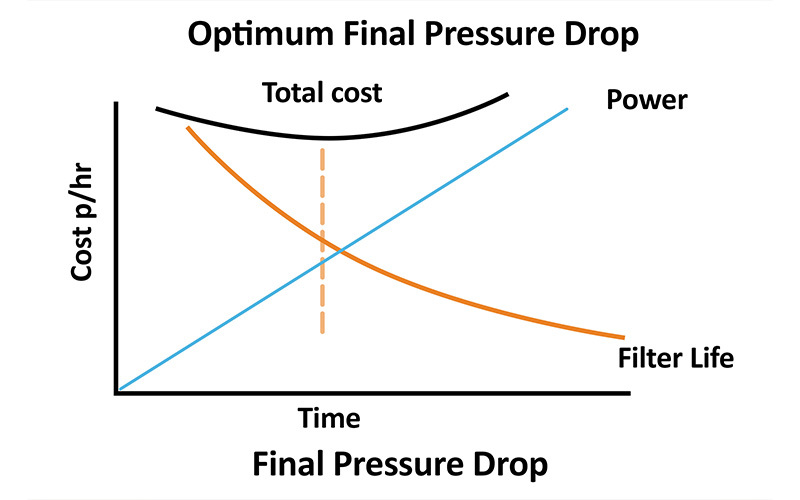
In air-fluid applications, the final pressure drop may vary based on the filter used.
The pressure drop in a filter is determined by the rate of fluid flow that goes through it. The pressure drop increases as the flow rate of the fluid increases. Therefore, the reference standards always specify a particular flow rate to measure the pressure drop. This helps to ensure consistent and accurate results.
One of the important factors affecting pressure drop in a filtration system includes the following:
Here are several strategies to reduce filter pressure drop:
The physical structure and mechanical specifications of the filter element (type of media and the shape of the filter element):
Properly designed filters can help reduce pressure drop. These filters are typically made of materials with high-flow properties and have an optimal internal design. When designing the filter element, it’s important to consider the dynamic laws and fluids based on the type of fluid, which has different physical and chemical characteristics. Ultimately, a filter structure with high flowability and the lowest possible pressure drop should be achieved. This also involves selecting the appropriate filter media. A media filter with a low initial and final pressure drop, proportional to the specific particle size, will be effective in trapping pollution.
Selecting the appropriate type of filter based on the type of fluid
One way to decrease the pressure drop in a filter element or filtration system is to reduce the amount of fluid that passes through it. To achieve this, flow control valves can be employed in a discontinuous system. In a continuous system, a higher number of filter elements or a higher level of media filter may be used instead.
The viscosity of the fluid used in a filtration process is a crucial factor that affects both the filter efficiency and the pressure drop. For fluids that have a higher viscosity than water, which require more energy to move, filters that can filter such high-viscosity fluids can help reduce pressure drop. So, to determine the appropriate viscosity for the filter, it is essential to refer to the specifications of the filter media and filter element provided by the manufacturer.
The type of contamination and the particle size distribution in the fluid
The filter mesh or hole size refers to the size of particles that it can filter. A larger mesh or pore size can reduce pressure drop, but it may also allow finer particles to pass through the filter and remain in the fluid. To determine the appropriate mesh size, one should refer to the specifications of the contamination and fluid. The size distribution of solid particles in the passing fluid will help us determine the best mesh or filter hole size for the process. We can also determine if a single-stage filtration process is sufficient or if we require a multi-stage filtration process.
Here is the particle size distribution diagram (PSD) for a contaminated fluid:
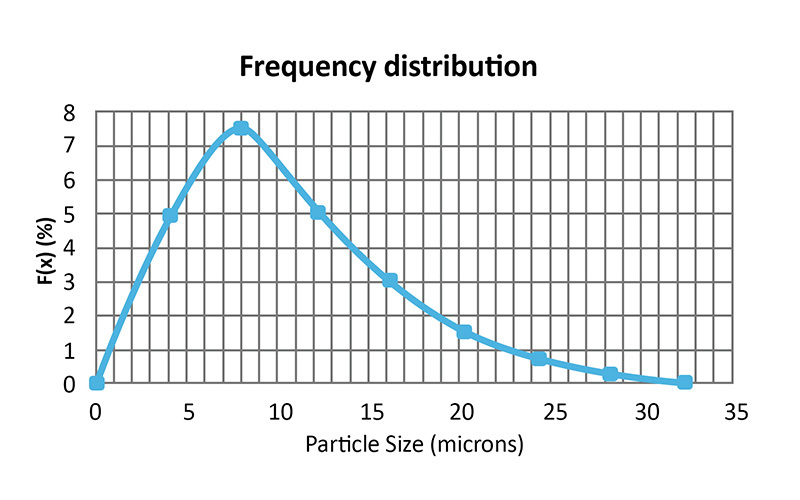
According to the diagram, When using an absolute filter with a size of 20 microns, smaller particles can pass through the filter. (absolute filter is considered)
In addition to reducing filter pressure drop, the following measures can also be used:
Regular maintenance of filters:
Filters that are dirty or damaged can cause an increase in pressure drop. To avoid sudden discharge of pollution in the system due to filter clogging, it is important to remove and replace the filter elements that have reached their maximum pressure drop. This will also help reduce the pressure drop and keep the system running smoothly.
It is important to use suitable solutions to reduce filter pressure drop, as this can increase system efficiency and reduce operating costs.
Strategies for improving pressure drop:
After analyzing the factors that lead to pressure drop in filters, it can be concluded that the physical structure and mechanical specifications of the filter element play a significant role in both the initial and final pressure drops. Therefore, effective solutions to reduce pressure drop are being explored, which are outlined below::
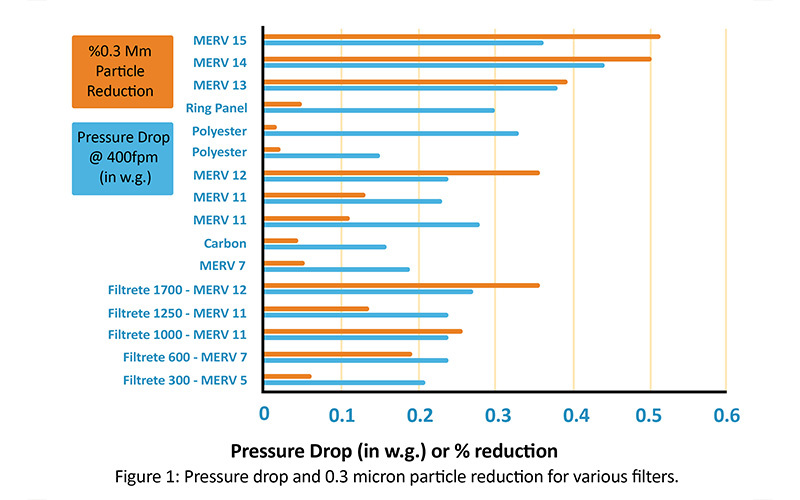
In the image below, we provide a comparison of pressure drops for various media at a specific micron size and flow rate.
Conclusion
When fluid passes through a filter, pressure drop occurs due to reasons such as filter mesh size, fluid flow rate, and viscosity.
Filtration pressure drop can negatively impact the performance of a filtration system, leading to reduced efficiency, increased operational costs, and even filter failure.
There are various ways to decrease the pressure drop in filtration. Some of these solutions comprise:
In addition to these solutions, taking the following actions can also help reduce the pressure drop across the filter:
Appropriate strategies must be used to reduce filtration pressure drop, which can increase system efficiency and reduce operational costs.
Adopting appropriate strategies to reduce filtration pressure drop requires understanding these points.
Author: Dariush Bahmani
September 2023

 Save the post
 Projects: